The Habit of Fixing Things
Published August 31, 2026 · Confectionally Yours Journal
The instinct to fix
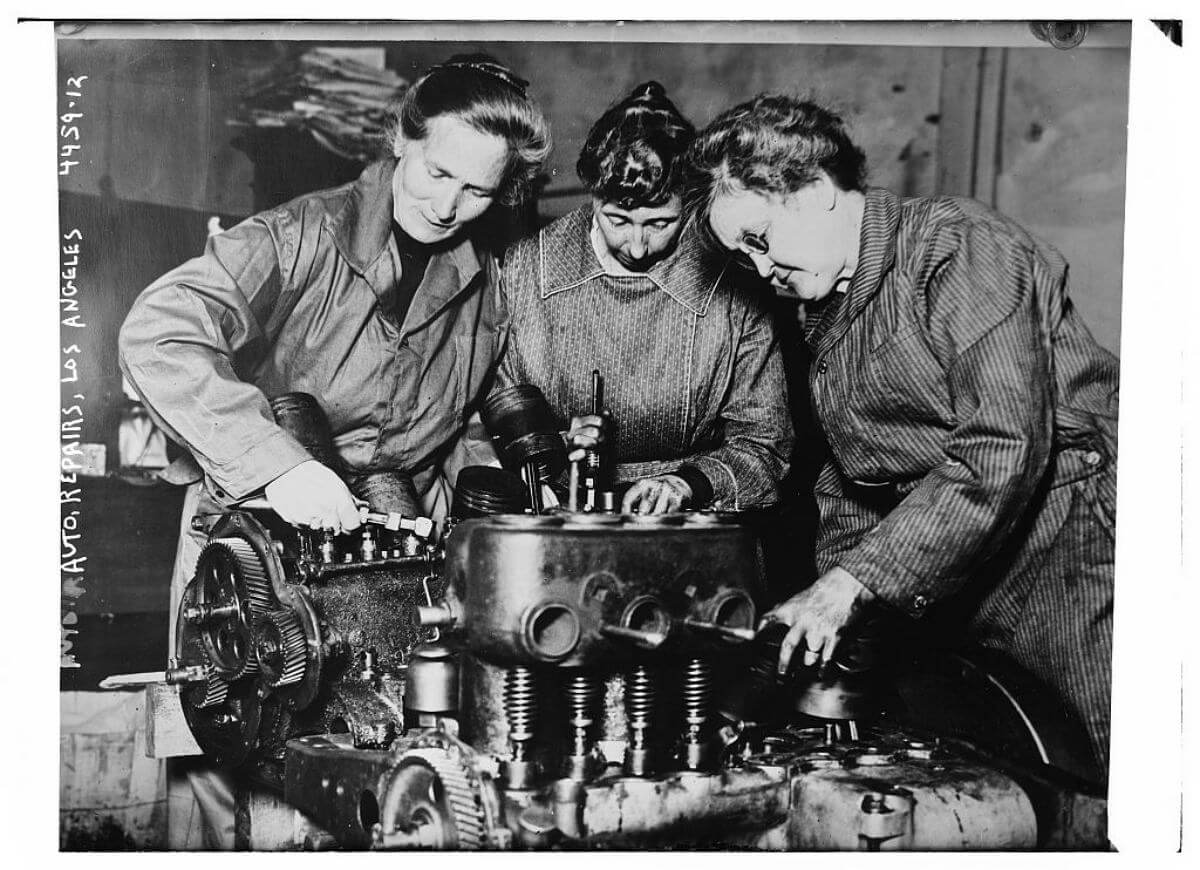
I have never been very good at throwing away something I thought I could fix. This has been true for as long as I can remember—longer, probably, than it has been rational. A leaking faucet, a tripped breaker, a fence post beginning to lean: my first instinct has rarely been to replace it or call someone else. I want to open it up, figure out what failed, and put it right.
I don’t know exactly where that came from. I grew up around men who worked with their hands and didn’t draw much distinction between one kind of work and another. Plumbing was plumbing, wiring was wiring, but the underlying logic was the same: something is wrong, you figure out why, and you make it work again. The trades seeped in the way language does—not through formal instruction so much as proximity, repetition, and the quiet assumption that this is simply what a person does.
How the list grew
Over the decades, the list grew. Electrical work. Plumbing. Construction. Gardening—which is its own kind of repair, coaxing life from soil that has been neglected or exhausted. Cooking came from being around wonderful food and the produce my family grew. Eventually that road led me into confectionery, where I spent four decades learning that sugar, chocolate, and cream can be every bit as honest and demanding as copper pipe or framing lumber. Each skill arrived much the way the last one had: not as a career plan, but as a need I noticed and learned to meet.
I never set out to become someone who could do all of these things. I simply kept reaching for the next one. There was always another broken thing, another craft that opened up when I paid attention, another pair of hands—usually older, usually patient—willing to show me how it was done.
Where it came from

“The Palace of Sweets” — The Palimpsest
Seventy-five feet wide, one hundred and twenty-five feet long, with chandeliers and classical columns standing over the candy cases. O. P. Baur built his Denver confectionery to be walked through rather than walked into.
Read the EssayBut I didn’t arrive at this on my own. The impulse to fix rather than discard was in the air long before I understood it as a philosophy. My grandfather ran a small grocery store for decades on a simple belief that quality would find its customers, and he tended the place the way you tend a house: steadily, carefully, without shortcuts. The candy makers I learned from had lived through the Depression. They had learned its lesson well: you did not throw something away unless you truly had to. A batch of hard candy that caramelized past its mark was not automatically waste. You looked at it again and asked what else it could become.
None of them sat me down and taught me a philosophy of repair. They taught it by example. What I absorbed was the belief that what is already in front of you deserves a fair chance to be saved. That kind of conviction passes from hand to hand the way craft knowledge does—through watching, through presence, through doing the work beside someone until their way of seeing becomes part of your own.
Repair of another kind
That may be what connects all of this for me: things are worth continuing. A house is worth maintaining. A recipe is worth preserving. A technique that took someone a lifetime to master is worth learning, even if the world has moved on to something faster. The opposite of repair is not only neglect. Sometimes it is the quiet assumption that everything is replaceable, that newer is automatically better, that the cheaper version is good enough. I have never been very good at making that bargain.
I suspect that is why I ended up doing the work I am doing now—writing about confectionery history, recovering craft knowledge, and trying to preserve the stories of people who made beautiful things with their hands and were never properly recorded. It is repair work of another kind. The material is memory instead of copper or wood, but the instinct is familiar: something valuable is fading, and if no one attends to it, some of it will disappear.
Repair as a kind of faith
Someone recently reminded me that there was once a broader idea of what a capable life could look like—one that did not divide craft, intellect, curiosity, and making into separate little boxes. A builder and a scholar were not necessarily different species. Mastery of the hands and mastery of the mind could belong to the same person.
I would never claim any grand title for myself. But I recognize the impulse. I see it in the neighbor who can wire a garage and write a poem, in the grandmother who gardens and carries the family history in her head, in anyone who has refused to become only one thing because life kept asking more of them.
What I have come to understand, after a lifetime of fixing things, is that repair is more than a skill. It is a kind of faith: a belief that what exists may still be worth the effort of sustaining, that the crack in the wall or the gap in the record is not always a reason to start over. Sometimes it is a reason to stay with it. Every trade I have learned and every story I have tried to preserve has grown from that same impulse. I don’t expect it to be fashionable. I just know it’s mine.
Confectionally Yours,
Emery

Nostalgic Confections
Keep the good things going
Confectionally Yours Journal is where the craft is kept — essays on confectionery history, archive photographs with their provenance intact, and techniques recovered from people who never wrote them down. Come see what has been saved, and subscribe if you would like it to find you.
Visit the JournalNo ads. No products. Just the work, shared.
Researched, written, and curated in collaboration with AI tools. Human selection, historical interpretation, creative judgment, and final authorship remain central to the work. How this is made →.
The Palimpsest is the essay room of Confectionally Yours Journal — longer reflections on confectionery craft, lived memory, and the knowledge that lived in people’s hands.