How This is Made
Artificial Intelligence Disclosure v.1
Policy Application
This journal is about preservation—of craft knowledge, lived experience, historical material, and the people and practices that carried them forward.
It would be strange to ask readers to value provenance while being vague about how the work itself is made. So this is the plain version.
What I Bring
Four decades of confectionery work. The people I learned from. The things I watched hands do before I had words for them. Temperatures, textures, failures, corrections, tools, habits, and stories gathered over a working life. I choose what deserves attention. I decide which memories belong, which historical connections are meaningful, what needs further examination, and what should stay out. The perspective, lived experience, creative direction, judgment, and final authorship of this project are mine.
Where Artificial Intelligence Enters
Artificial intelligence is an active collaborator throughout much of this work. I use AI tools for research and source discovery, testing ideas, developing outlines, drafting and revising prose, editorial discussion, metadata, visual development, technical production, and other parts of the publishing process. Sometimes I arrive with a nearly formed piece. Sometimes I arrive with an image, a memory, a question, or a few sentences and work collaboratively from there. AI may carry substantial portions of a project toward their final form. I do not claim that every sentence published here was typed by me alone. I do claim responsibility for every piece that is published.
What Collaboration Means Here
Collaboration does not mean handing a subject to a machine and publishing whatever returns. The process is iterative. I question, redirect, add lived knowledge, reject language that does not belong, correct interpretation, choose among possibilities, and determine when the work accurately represents what I intended to say. Different AI systems may contribute different abilities—research, writing, creative development, image making, organization, or technical work. The tools may change. The governing relationship does not. Artificial intelligence contributes to the making. Human experience, direction, judgment, and final authorship remain central to the work.
Research, History & Accuracy
AI can help locate material, organize research, and identify connections worth pursuing. It is not treated as a historical authority.
Where a piece depends upon factual or archival material, I work to review meaningful claims against available sources and preserve attribution where it belongs.
Errors, omissions, and misjudgments can happen and we take the necessary precautions to avoid any type of misrepresentations.
Images & Provenance
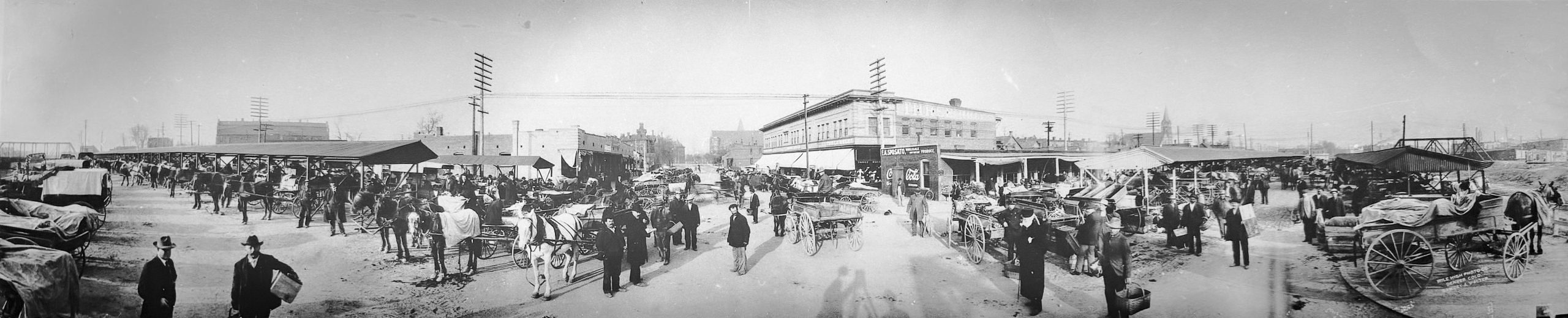
Historical and archival images are treated separately from images created within the Studio.
Archival material retains its source, creator information where known, rights status, and institutional attribution according to the standards governing that image.
Images created with artificial intelligence are identified as Studio originals or AI interpretive imagery. They are not presented as recovered photographs, historical documents, or archival objects.
That distinction matters here: a found image should remain visibly found; a made image should remain visibly made.
Final Authorship
Authorship, as I understand it in this project, is larger than the act of typing sentences.
It includes originating the inquiry, bringing lived knowledge to it, determining meaning, making choices, recognizing when something is wrong, deciding what remains, and accepting responsibility for the finished work.
AI often helps me reach the finished page. It does not live the experience from which that page begins.
The final authorship and accountability remain human.
About AI Detection
If an automated system identifies work here as AI-assisted, that may be accurate and expected.
What such a result cannot explain is the nature of the collaboration: who supplied the experience, who made the decisions, what was rejected or corrected, or who ultimately stands behind the work. That limitation is one reason I prefer direct disclosure to leaving readers with a percentage generated by a detection system.
An Evolving Practice
The tools and standards surrounding artificial intelligence will continue to change. So will some of the ways I work with them.
This page will be updated when those changes materially affect the creative process. The underlying commitment is simpler and should remain constant:
Be open about the tools.
Protect the provenance of the material.
Keep human judgment at the center.
Demonstrate responsibility for what is published.
This is how the work is made.
“We are curators of creativity.”
— The Confectionally Yours Journal Editorial Note
Last Updated: 08/09/2026
Rights Inquiries: scribes@nostalgicconfections.com
Disclaimer:
This policy expresses our commitment to ethical practice and legal compliance but does not constitute legal advice. This policy reflects a good-faith effort to balance cultural documentation with respect for creators. It may evolve as standards, practices, or understanding change. Rights holders are encouraged to contact us directly with any concerns.
This policy attempts to align with U.S. copyright law and international fair use principles, but we welcome rights holder inquiries regardless of jurisdiction.