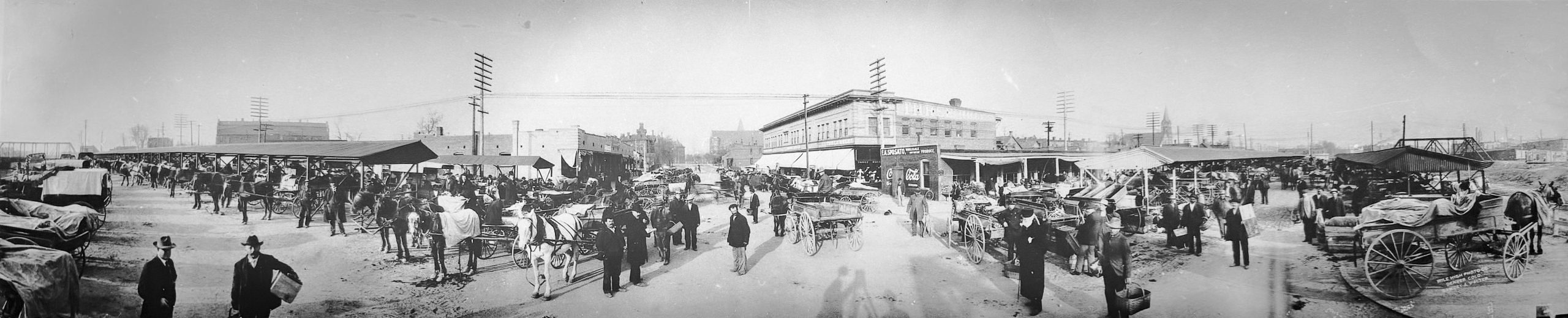
Knowing the Difference
Our August letter, The Habit of Fixing Things, explored the idea that repair is not just a skill but a worldview—a quiet conviction that what exists is worth the effort of sustaining. It struck a chord. Among the responses, this exchange between reader Autumn Santeler and Emery felt worth sharing, because it gets at a question the essay only began to ask: how do we know what deserves to be kept?

Autumn Santeler wrote
Autumn Santeler wrote
I love this. I can relate in some ways, and it made me ponder my perspective in others. As a Las Vegas native, I grew up with a very different philosophy: out with the old and in with the new. The Strip was always imploding something and starting over, building something fresh, modern, and exciting. At the same time, I deeply value quality and believe in taking care of things that are worth preserving. Sometimes you repair the house. Sometimes you have to tear down an old wall, pull out the outdated electrical, and rebuild that part entirely. Perhaps the real art is knowing the difference. How do we preserve the quality, craftsmanship, and history of something while still allowing it to evolve, change, and remain relevant? It is a nuanced balance between preservation and reinvention.
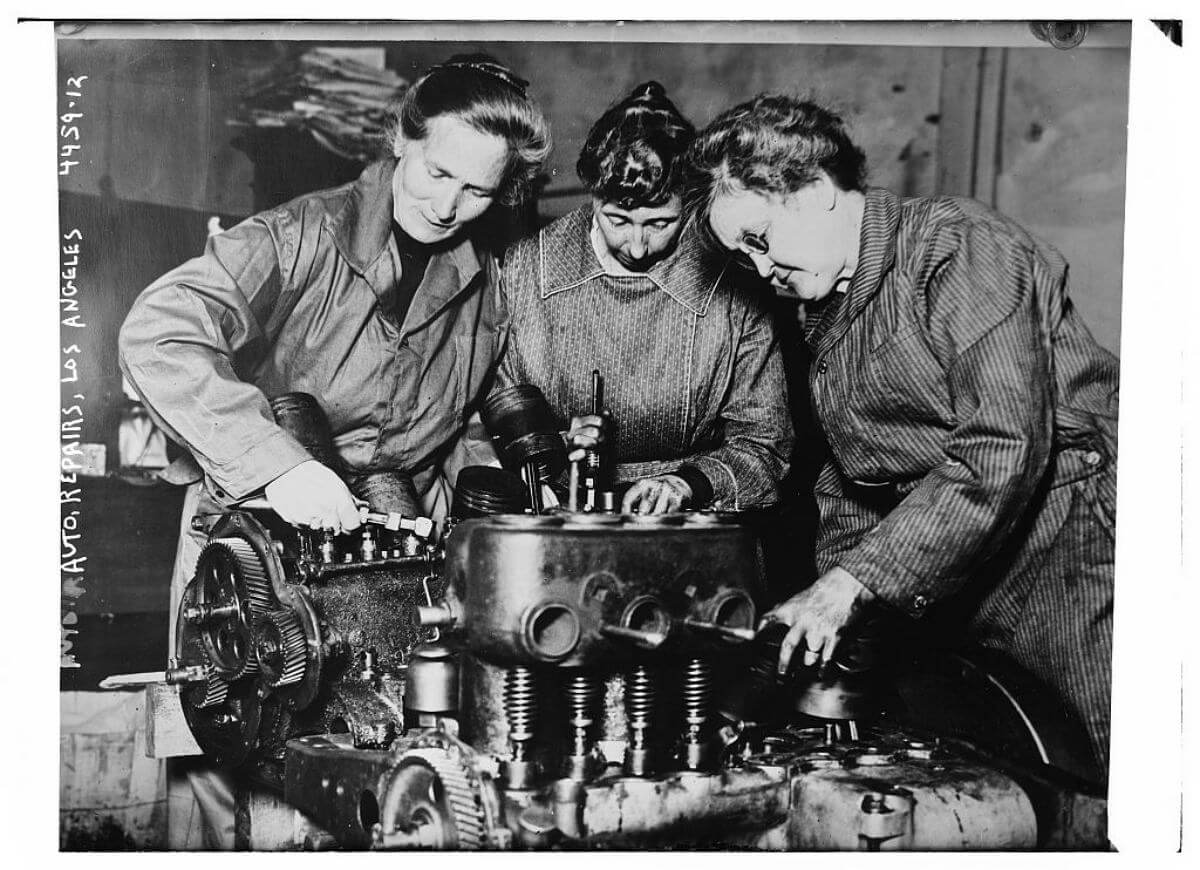
“The Habit of Fixing Things” — The Palimpsest
The full August letter. On repair as a kind of faith, and on the trades, recipes, and memories worth keeping rather than replacing.
Read the EssayEmery responded
Emery responded
Well said, Autumn. I think the environment we grow up in shapes our perception more than we sometimes realize.
My grandfather built displays in his stores using cantaloupe crates or apple boxes wrapped in paper. My father-in-law and many of the candy makers he hired had lived through the Depression, and they saved, repaired, and reused nearly everything. When a candy thermometer finally stopped working, they cooked by sight and feel until they could justify buying another.
I appreciate new things too—and probably indulge more than my forefathers ever would have—but there is something valuable in the lessons behind repairing, adapting, and preserving what still has life in it.
Perhaps, as you said, the real skill is knowing what deserves to be kept and what truly needs to be rebuilt.
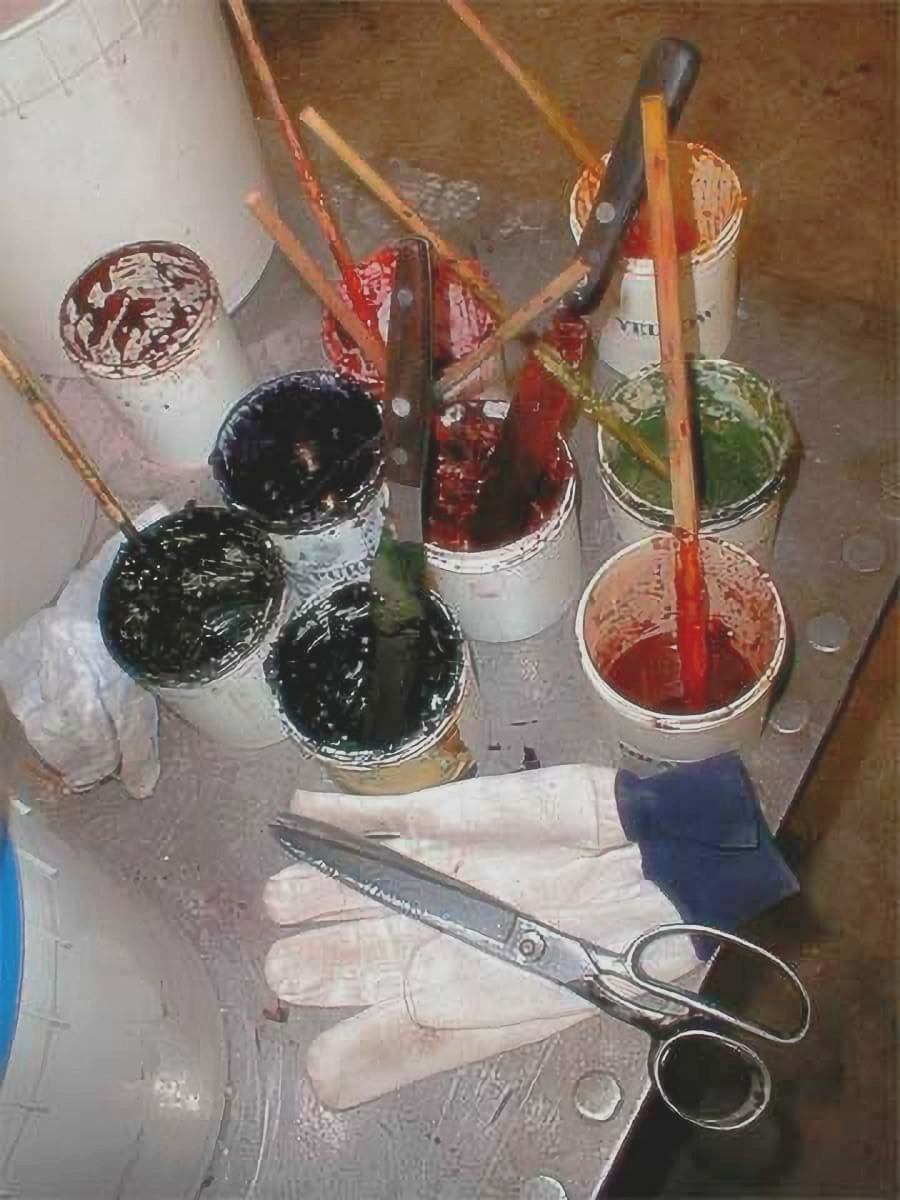
“Reflection on Craft” — The Palimpsest
The essay referenced above — on Denargo Market before dawn, a grocery store on 13th and Pearl, and where the habit of choosing carefully begins.
Why this project exists
Conversations like this one are why this project exists. The Palimpsest and the Confectionally Yours Journal were built to be a place where craft, memory, and honest reflection find an audience—not a large one, necessarily, but a thoughtful one. If these ideas resonate with you, we’d welcome your voice. Subscribe, share a letter with someone who makes things with their hands, or simply write back. The best preservation work has always been a conversation, not a monologue.
Researched, written, and curated in collaboration with AI tools. Human selection, historical interpretation, creative judgment, and final authorship remain central to the work. How this is made →.
The Palimpsest is the essay room of Confectionally Yours Journal — longer reflections on confectionery craft, lived memory, and the knowledge that lived in people’s hands.